
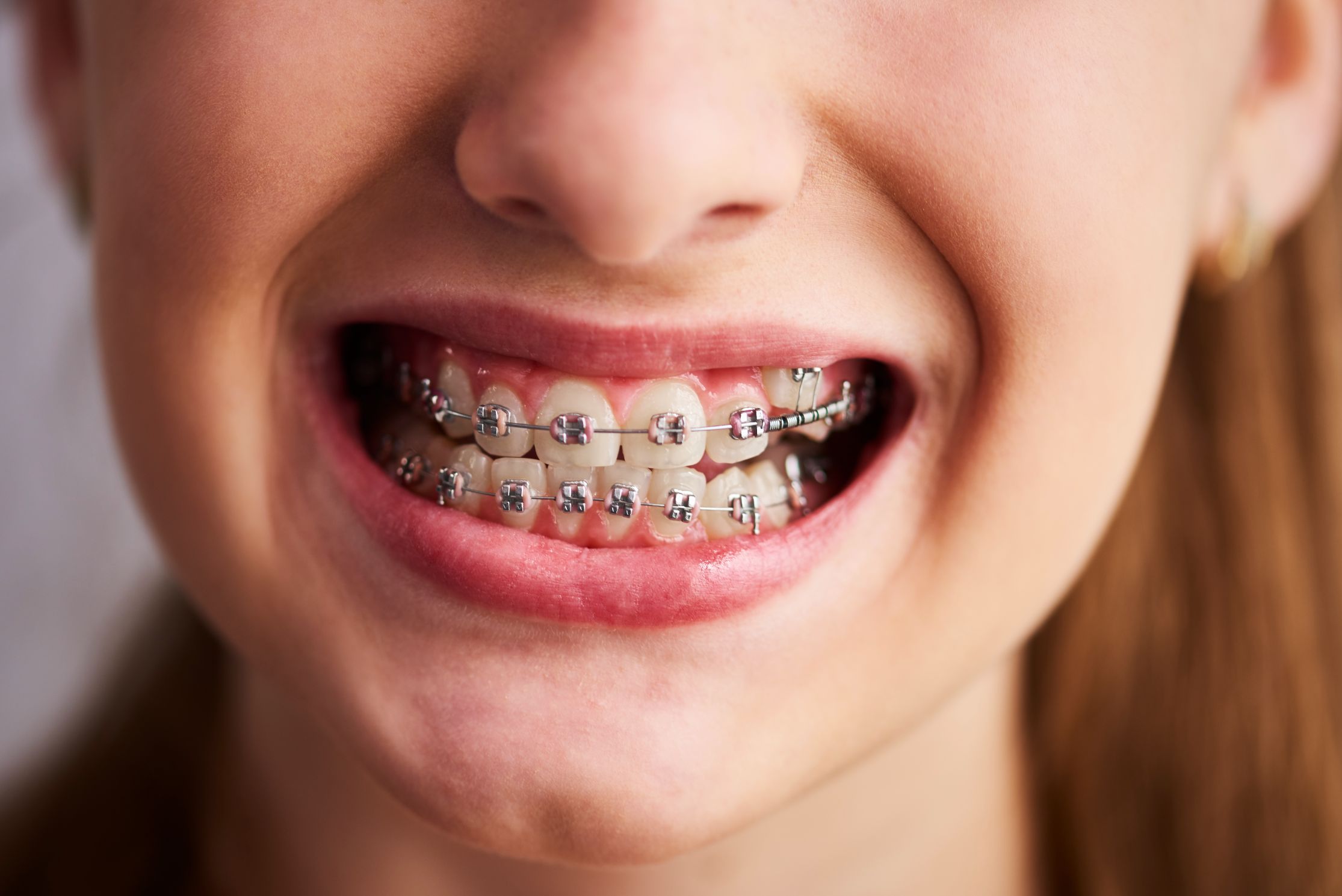
What Are Braces for Kids and Why Do Children Need Them?
Braces for kids are orthodontic appliances designed to correct misalignment, crowding, and bite issues in children's developing smiles. These carefully crafted devices use brackets and wires to gently guide teeth into their proper positions over time, improving both oral health and confidence. If you're researching the top benefits of braces for kids, this parent's guide covers what you need to know before scheduling that first evaluation.
So why do kids need braces? The reasons vary widely. Some children experience crowding as their permanent teeth come in. Others develop overbites, underbites, crossbites, or noticeable spacing between teeth. These issues aren't just cosmetic. Left untreated, they can affect how a child chews, speaks, and cares for their teeth.
The American Association of Orthodontists recommends that children have their first orthodontic evaluation by age 7. This might seem early, but there's good reason for it. At this age, a child has a mix of baby and permanent teeth, making it easier for an orthodontist to spot developing issues. At Feldman Orthodontics, our board-certified diplomates of the american board of orthodontics follow this same guideline, and our team has been helping families through this process since 1971.
Early intervention can prevent more involved treatment down the road. When orthodontic issues are identified early, it's often possible to guide jaw growth and tooth eruption in ways that simplify future care.
Wondering if your child might benefit from braces? An orthodontic evaluation gives you answers without guesswork. The orthodontist will assess your child's smile and discuss whether treatment makes sense now or if monitoring is the better approach.
How Do Braces Work? Understanding Your Child's Treatment Process
Understanding how braces work helps parents feel confident about their child's treatment. The mechanics are straightforward, even if the science behind them is sophisticated.
Braces consist of three main components: brackets bonded to each tooth, a wire that connects them, and small elastic bands that hold everything in place. The wire applies gentle, continuous pressure to teeth. This pressure signals the bone around each tooth to remodel, allowing teeth to shift gradually into alignment.
Here's what the treatment process typically looks like:
- Initial exam: At Feldman Orthodontics, the orthodontist takes digital scans or X-rays and discusses treatment plans with your family.
- Fitting appointment: Brackets are bonded to the teeth and the first wire is placed.
- Regular adjustments: Every 4 to 8 weeks, your child visits for wire changes and progress checks.
- Retention phase: Once the braces come off, retainers keep teeth locked in their new positions.
Treatment duration for kids typically ranges from 12 to 36 months. According to the AAO, the average treatment time with braces is about 22 months, though the timeline depends on the complexity of each case and how well patients follow care instructions.
For younger children with developing jaws, two-phase treatment may be recommended. The first phase addresses jaw growth and makes room for permanent teeth. After a rest period, the second phase fine-tunes tooth alignment. This approach can produce results that wouldn't be possible with later treatment alone.
Adjustment appointments are quick, usually 20 to 30 minutes. Mild soreness for a day or two afterward is normal and manageable.
Top 8 Benefits of Braces for Kids
When parents invest in orthodontic treatment, they're giving their child advantages that outlast a straighter smile. Here are the key benefits of braces for kids that matter most:
How Do Braces Improve Oral Hygiene?
Crowded teeth create tight spaces where food particles and bacteria hide. Straight teeth are simply easier to brush and floss effectively. Over time, this reduces a child's risk of cavities and gum disease, benefits that last well into adulthood.
Can Braces Reduce the Risk of Jaw Issues?
A misaligned bite forces jaw muscles to work harder than they should. Over time, this can lead to jaw soreness, TMJ issues, and uneven wear on tooth surfaces. Correcting the bite early protects kids from these issues down the line.
Do Braces Help with Self-Confidence?
The formative years matter. Kids who feel good about their smiles tend to smile more and participate more actively in social situations. Parents often notice this shift quickly, sometimes within the first few months of treatment.
How Can Braces Affect Speech Development?
Certain alignment issues can affect how children pronounce sounds. Correcting tooth and jaw positioning can eliminate speech impediments that might otherwise require separate therapy. Not every speech issue is alignment-related, but it's worth exploring with an orthodontist.
How Do Braces Improve Chewing and Digestion?
A properly aligned bite allows kids to chew food thoroughly, which supports better digestion and nutrient absorption. When teeth fit together correctly, eating becomes more comfortable and efficient, and children are less likely to avoid foods they actually need in their diet.
Can Braces Protect Against Dental Injuries?
Protruding front teeth are more vulnerable to chips and fractures during falls or sports. Bringing these teeth into alignment can help lower the chance of injury during everyday activities and athletics alike.
How Do Braces Simplify Future Dental Care?
Straight teeth are easier for dentists to examine, clean, and treat. Fewer hard-to-reach spots means more straightforward dental visits for years to come. This also means fewer surprise findings at routine checkups.
Why Is Childhood the Best Time for Braces?
Addressing orthodontic issues during childhood, when jaws are still growing, often means shorter and less involved treatment compared to waiting until adulthood. Growth is on your side. The AAO notes that roughly 50% of children could benefit from orthodontic treatment, and starting at the right age makes the process smoother for everyone.
Types of Braces for Kids: Comparing Your Options
Not all braces are created equal. At Feldman Orthodontics, families have several excellent choices to consider, each with distinct advantages.
| Feature | Traditional Metal | LightForce 3D-Printed | Clear Aligners |
|---|---|---|---|
| Best For | Complex cases, all ages | Precision treatment, efficiency | Mild to moderate cases, older kids/teens |
| Visibility | Most noticeable | Slightly smaller brackets | Nearly invisible |
| Comfort | Standard | Custom-fit to each tooth | Smooth, removable trays |
| Treatment Time | Standard timeline | Potentially faster | Varies by compliance |
| Maintenance | Requires careful brushing around brackets | Similar to traditional | Remove for eating and brushing |
Traditional Metal Braces remain the most common choice for kids. They're durable, effective for complex corrections, and allow for fun customization with colored bands. Today's brackets are smaller and more comfortable than those from previous generations.
LightForce Custom 3D-Printed Brackets use digital scans to design each bracket specifically for an individual tooth. Unlike standard brackets, which come in generic sizes, LightForce brackets are built to match the exact contours of each tooth's surface. This precision can lead to more efficient tooth movement and potentially shorter treatment times because the orthodontist spends less time making manual adjustments.
Clear Aligners work well for older kids and teens with mild to moderate alignment issues. These removable trays are nearly invisible and allow for easier eating and brushing. However, they require discipline. The patient must wear them 20 to 22 hours daily for optimal results.
The best choice depends on a child's age, the complexity of their case, and their lifestyle. Some kids thrive with the structure of fixed braces, while others prefer the flexibility of aligners. An orthodontist can help you understand which approach makes the most sense for your child's unique situation.
How Much Do Braces for Kids Cost? Key Factors to Consider
Braces for kids typically cost between $3,000 and $7,000, depending on treatment type, case complexity, duration, and geographic location. Your family's specific investment will depend on several factors tied to your child's needs.
What influences the cost?
- Treatment type: Traditional metal braces generally cost less than clear aligners or specialty brackets
- Case complexity: Severe crowding or bite issues require more time and adjustments
- Treatment duration: Longer treatment means more appointments and materials
- Geographic location: Costs vary by region and local market factors
Here's good news for families: most dental insurance plans include orthodontic coverage for children under 18. Many plans cover between $1,000 and $2,000 of orthodontic treatment costs, though your specific benefits may vary. Check with your insurance provider to understand your coverage details.
Finances shouldn't stand in the way of a healthy smile. Many orthodontic practices, including Feldman Orthodontics, offer flexible payment plans with low monthly payments that fit a family's budget. Online payment calculators can help you estimate costs before your first visit.
The best way to understand your family's specific investment is to schedule a complimentary consult with an orthodontist. They'll evaluate your child's needs, discuss treatment plans, and provide a clear breakdown of costs and payment structures. No surprises.
Is Your Child a Candidate for Braces? Signs to Watch For
Signs that a child may need braces include early or late baby tooth loss, difficulty chewing, mouth breathing, visible crowding, and bite misalignment. The AAO recommends an evaluation by age 7, and while every child is different, certain indicators suggest it's time to schedule that first appointment.
Watch for these indicators:
- Early or late loss of baby teeth
- Difficulty chewing or biting, such as avoiding certain foods or chewing awkwardly
- Mouth breathing, which can affect facial development over time
- Thumb-sucking past age 5 or other prolonged oral habits
- Visible crowding or spacing, like overlapping teeth or noticeable gaps
- Protruding front teeth or teeth that don't meet properly, including overbites, underbites, or crossbites
- Jaw shifting or clicking
Remember, age 7 is the ideal time for a first orthodontic screening. This doesn't mean braces go on at 7. It means the orthodontist can monitor development and step in at the right time if needed.
Some children benefit from early treatment, while others do best waiting until more permanent teeth have erupted. Only a board-certified orthodontist can determine the right approach and timing for your child. If you notice any of the signs listed above, or if something just feels off about how teeth are coming in, it's worth getting a professional opinion sooner rather than later.
Frequently Asked Questions About Braces for Kids
Do braces hurt?
Braces cause mild discomfort for a few days after placement and following adjustment appointments. This is completely normal and typically manageable with over-the-counter relief like ibuprofen or acetaminophen. Soft foods help during these periods, and the soreness fades quickly.
What foods should kids avoid with braces?
Skip popcorn, hard candies, caramels, gum, and chewy snacks. Hard, sticky, and chewy foods can damage brackets or get stuck in wires. Cut apples and carrots into small pieces rather than biting into them directly. These precautions protect the braces and prevent extra repair appointments.
How do I help my child care for their braces?
Supervise brushing until you're confident they can do it thoroughly on their own. They should brush after every meal and angle the brush to clean around brackets. Floss threaders or orthodontic flossers make cleaning between teeth easier. Regular checkups with your family dentist remain important throughout treatment, and don't hesitate to ask the orthodontic team for tips during adjustment visits.
Can my child still play sports with braces?
Yes. A protective orthodontic mouthguard is essential for contact sports and activities with fall risk. These mouthguards are designed to fit over braces and protect both the teeth and soft tissues of the mouth. Ask about mouthguard options at your next visit.
What happens after braces come off?
Retainers. Teeth have a natural tendency to shift back toward their original positions, especially in the months right after treatment. Following retainer instructions carefully protects the investment you've made in their smile and keeps results lasting for years.
Ready to learn whether braces are right for your child? Upgrading your smile is easy. Schedule a complimentary consult so the orthodontist can assess your child's teeth, talk through what they find, and help you decide on next steps.