Frequently Asked Questions
What types of braces are available?
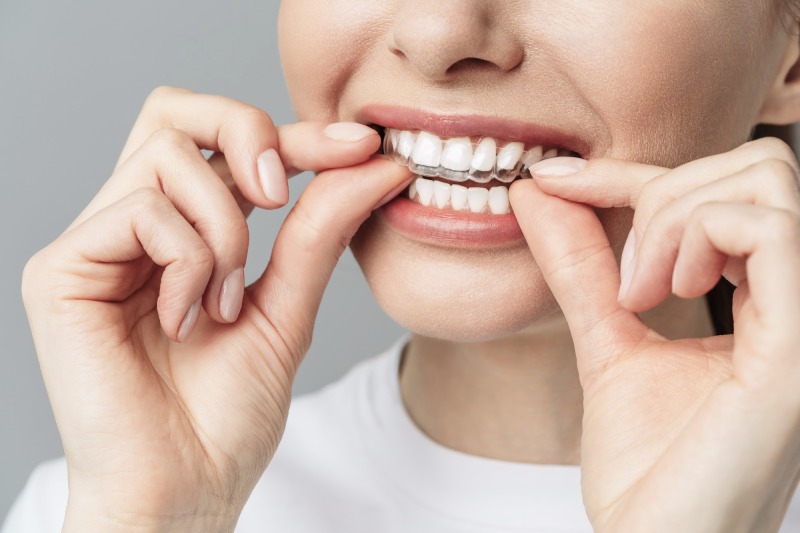
Clear aligners are a discreet alternative to traditional braces, offering benefits for patients of all ages. At Feldman Orthodontics, patients can experience a supportive journey with attention to detail. The practice also offers fun activities for kids in the waiting room. Types of braces include clear aligners, traditional braces, and more.
How long does orthodontic treatment take?
The duration of orthodontic treatment varies depending on individual needs, but typically lasts between 18 to 24 months. Factors such as the complexity of the case and adherence to treatment guidelines can impact the timeline. Regular appointments and following orthodontist recommendations can help achieve optimal results within the estimated timeframe.
What is the cost of Invisalign?
The cost of Invisalign treatment can vary depending on the complexity of the case and the duration of treatment. On average, the cost ranges from $3,000 to $8,000. Factors such as location and orthodontist fees can also impact the total cost. It's best to schedule a consultation for an accurate estimate.
Can adults benefit from orthodontic treatments?
Adults can benefit from orthodontic treatments, including clear aligners, for discreet teeth straightening. Orthodontic care can improve oral health, boost confidence, and enhance overall well-being. Consult with an orthodontist to explore personalized treatment options for adult orthodontic needs.
What is the difference between an orthodontist and a dentist?
Orthodontists specialize in aligning teeth and jaws, while dentists focus on overall oral health. Orthodontists receive additional training in orthodontics after dental school, making them experts in straightening teeth and correcting bites. Dentists provide general oral care, such as cleanings, fillings, and extractions.
How can I prepare my child for their first orthodontic visit?
Before your child's first orthodontic visit, talk positively about the experience, explain the process in simple terms, and address any concerns they may have. Encourage them to ask questions, reassure them about the friendly staff, and emphasize the benefits of orthodontic treatment for a healthy smile.
What should I expect during my orthodontic consultation?
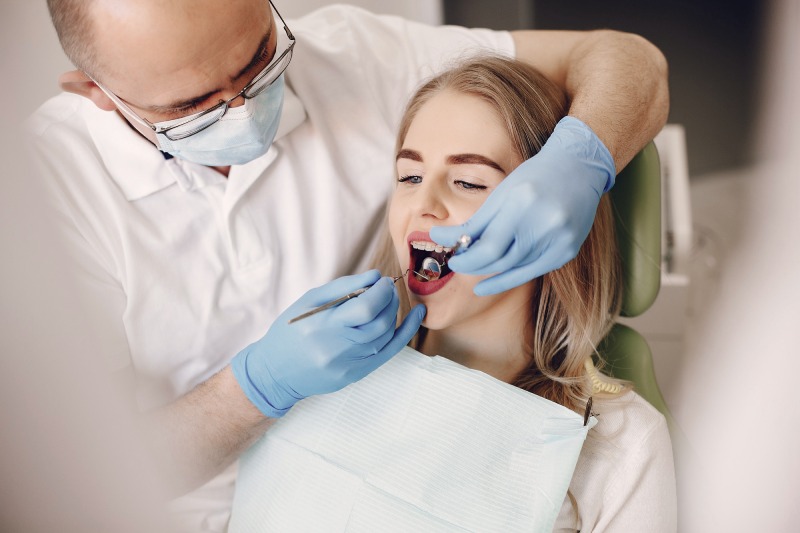
During your orthodontic consultation, you can expect a comprehensive evaluation of your teeth and bite, discussion of treatment options, cost estimates, and a timeline for your orthodontic journey. The orthodontist will address any concerns you have and create a personalized treatment plan tailored to your needs.
Are there financing options available for orthodontic care?
Yes, Feldman Orthodontics offers financing options for orthodontic care. Patients can inquire about payment plans and options during their complimentary consultation. Contact the office for more information on available financing plans to make orthodontic treatment more accessible.
How often will I need to visit the orthodontist during my treatment?
During your orthodontic treatment, you will typically need to visit the orthodontist every 4 to 8 weeks for adjustments and progress checks. The frequency may vary based on your individual treatment plan and progress. Regular visits are essential for monitoring and ensuring the effectiveness of your treatment.
What are the signs that my child might need orthodontic treatment?
Signs that your child may need orthodontic treatment include crowded or crooked teeth, difficulty chewing or biting, early or late loss of baby teeth, thumb sucking past age 5, mouth breathing, jaws that shift or make sounds, and biting the cheek or roof of the mouth. Regular dental check-ups can help identify these issues early.
What age should orthodontic evaluation begin?
Orthodontic evaluation should begin around the age of 7, as recommended by orthodontic professionals. Early evaluation can help detect and address any potential issues, leading to better treatment outcomes in the long run. Regular check-ups are crucial for monitoring dental development.
How does orthodontic treatment improve oral health?
Orthodontic treatment improves oral health by correcting misalignments, which can lead to issues like gum disease, tooth decay, and jaw pain. Proper alignment enhances bite function, making it easier to chew and speak. Additionally, straight teeth are easier to clean, reducing the risk of dental problems.
Can I play sports with braces on?
Yes, you can play sports with braces on. It's recommended to wear a mouthguard to protect your braces and teeth. Soft foods and proper hydration are essential. If any discomfort or issues arise, contact your orthodontist for guidance.
What food restrictions apply with orthodontic braces?
When wearing orthodontic braces, it's best to avoid sticky, hard, or chewy foods to prevent damage. Foods like popcorn, gum, nuts, and hard candies should be avoided. Opt for softer options like pasta, yogurt, and smoothies to protect your braces and prevent discomfort. Remember to maintain good oral hygiene to keep your braces in good condition.
How to deal with orthodontic emergencies?
In case of orthodontic emergencies, contact your orthodontist immediately. If a bracket or wire breaks, cover any sharp edges with orthodontic wax. For a loose wire, try to gently push it back into place with a pencil eraser. If a wire is poking, use wax to cover it temporarily.
Whats involved in adult orthodontic treatment?
Adult orthodontic treatment typically involves options like clear aligners or braces to straighten teeth discreetly. Initial consultation, treatment planning, wearing aligners or braces, regular check-ups, and adjustments are part of the process. The duration varies based on individual needs and desired results.
How does an orthodontist straighten teeth?
Orthodontists straighten teeth using clear aligners or braces. These devices apply gentle pressure to move teeth into the correct position over time. Regular adjustments and monitoring ensure progress and alignment. Treatment duration varies based on individual needs and complexity. After treatment, retainers may be used to maintain the new alignment.
Are invisible braces effective for all cases?
Invisible braces are effective for many cases, but not all. They work well for mild to moderate alignment issues. Severe cases may require traditional braces for optimal results. Consult with an orthodontist to determine the best option for your specific needs.
What to expect after braces are removed?
After braces are removed, patients can expect a retainer to maintain teeth alignment. Regular check-ups are necessary to monitor progress. Teeth may feel sensitive initially, and a professional cleaning is recommended. Follow post-braces care instructions for optimal results.
How to maintain oral hygiene with braces?
To maintain oral hygiene with braces, brush after every meal, floss daily using a floss threader, rinse with mouthwash, and attend regular dental cleanings. Avoid sticky and hard foods, and use orthodontic wax for discomfort.
Is discomfort expected with orthodontic treatment?
Discomfort is common during orthodontic treatment, especially after adjustments. It may include soreness, pressure, or irritation, but it typically subsides within a few days. Over-the-counter pain relievers and orthodontic wax can help manage discomfort. Communication with your orthodontist is key to address any concerns.
Can I see orthodontic treatment before and after photos?
Yes, you can view orthodontic treatment before and after photos on the Feldman Orthodontics website. These photos showcase the transformation of patients who have undergone clear aligner treatment, providing a visual representation of the results achieved. Visit the website to see these inspiring images.
Are retainer adjustments necessary post-treatment?
Retainer adjustments are often necessary post-treatment to ensure proper alignment maintenance. Regular check-ups with your orthodontist are crucial to monitor the retainer's fit and make any needed adjustments for long-term effectiveness. Follow your orthodontist's guidance on retainer care and adjustment schedules to maintain your smile.
How do I manage orthodontic pain?
To manage orthodontic pain, try over-the-counter pain relievers, use orthodontic wax for discomfort, eat soft foods, and rinse with warm salt water. Follow your orthodontist's instructions, maintain good oral hygiene, and attend regular appointments for adjustments.
What technology advances impact orthodontic treatment?
Advancements like clear aligners have revolutionized orthodontic treatment, offering a discreet alternative to traditional braces. Technologies such as digital scanning, 3D printing, and virtual treatment planning have enhanced precision and efficiency in orthodontic care. These innovations provide patients with more comfortable and convenient treatment options, leading to improved overall experiences and outcomes.
Will wearing braces affect my daily routine?
Wearing braces may initially impact your daily routine, such as adjusting to eating and oral care habits. However, with time, you'll adapt and find ways to manage any discomfort. Regular orthodontic appointments are essential but can be scheduled conveniently to fit your schedule.
How do clear aligners differ from traditional braces?
Clear aligners are a discreet alternative to traditional braces, offering patients of all ages a more subtle orthodontic treatment option. Unlike braces, clear aligners are removable, making oral hygiene easier. They are also virtually invisible, providing a more aesthetically pleasing option for those seeking orthodontic treatment.
Do wisdom teeth affect orthodontic treatment?
Wisdom teeth can impact orthodontic treatment by causing crowding or shifting of teeth. Removal may be recommended to prevent issues during treatment. Consult with your orthodontist to determine if wisdom teeth removal is necessary for successful treatment.
Can orthodontic treatment fix jaw misalignment?
Orthodontic treatment can help improve jaw misalignment by using braces or aligners to correct the position of the teeth, which can in turn impact the alignment of the jaw. In some cases, additional interventions may be needed for severe misalignments. Consulting with an orthodontist is key for personalized treatment options.
Are there alternatives to braces for kids?
Yes, clear aligners are a discreet alternative to braces for kids. They offer the benefits of braces without the visibility. Clear aligners are a popular choice for children and teenagers seeking orthodontic treatment.