
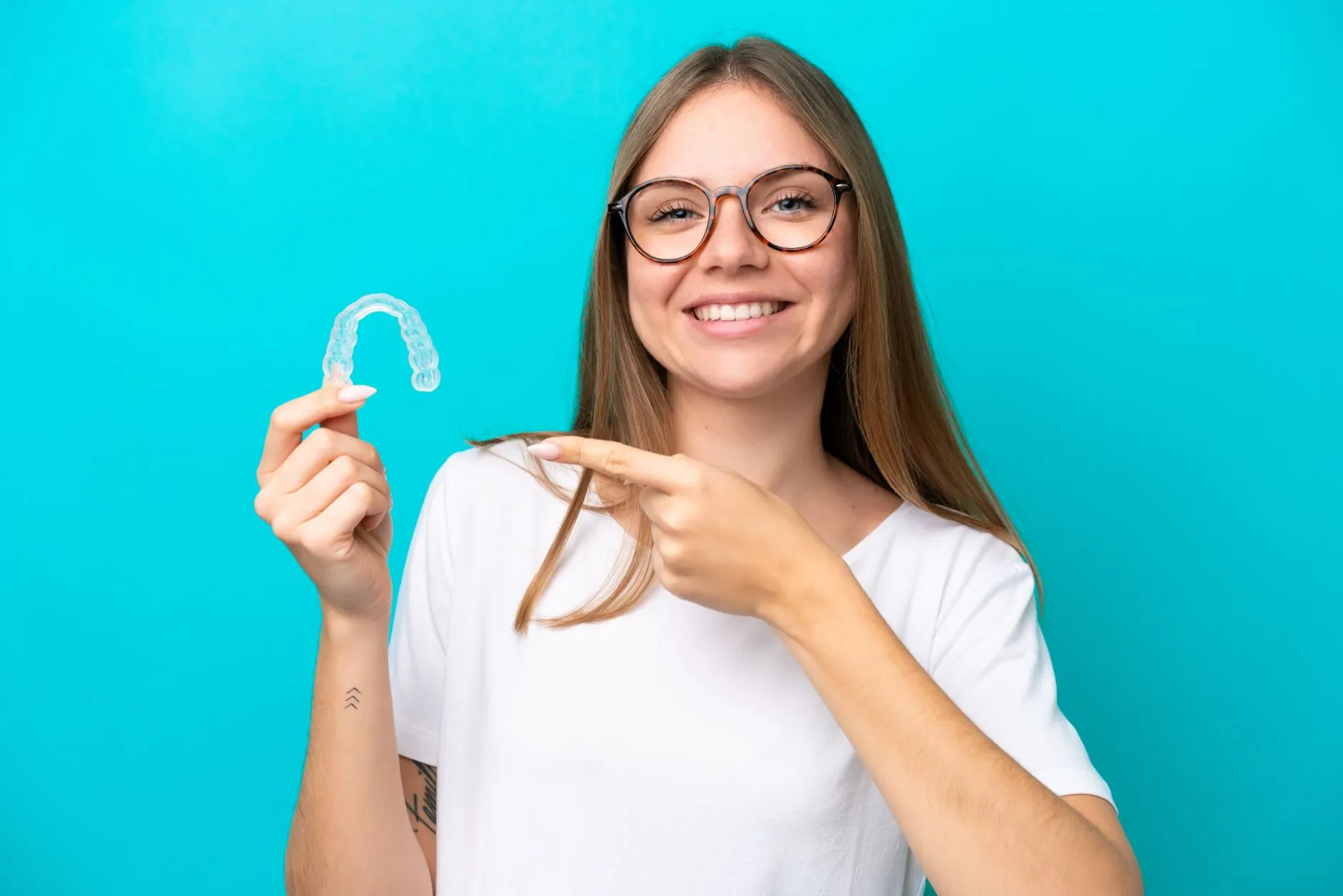
What Are Clear Aligners and Why Are They So Popular With Teens?
Clear aligners are custom-made, removable plastic trays that gradually shift teeth into their ideal positions. Practically invisible and designed to fit active teenage lifestyles, they treat mild to moderate crowding, gaps, and certain bite problems without metal brackets or wires.
These barely noticeable orthodontic appliances have become incredibly popular with teenagers, and it's easy to see why. Between school, social activities, sports, and the ever-present camera phone, teens want a smile solution that fits their routine without drawing unwanted attention.
At Feldman Orthodontics, our team sees firsthand how much teens appreciate the flexibility clear aligners offer. With orthodontic excellence since 1971, our practice has watched orthodontic technology evolve dramatically. What once worked only for minor spacing issues can now treat a much wider range of cases, including moderate crowding, gaps, and certain bite concerns. This expanded capability means more teens than ever qualify for this discreet treatment plan.
The appeal is straightforward. Teens care about their appearance during these formative years. Clear aligners for teens are hard to spot during class presentations, yearbook photos, and hanging out with friends. For many families, this confidence boost alone makes aligners worth exploring. Upgrading your smile is easy, and the first step is understanding what makes aligners such a good fit for teen life.
How Do Clear Aligners Work for Teens?
Clear aligners work by using a series of custom removable trays that apply gentle, controlled pressure to gradually shift teeth into their target positions. Each set of trays moves teeth slightly further along the treatment plan, and patients switch to a new set every one to two weeks until their teeth reach proper alignment.
The process starts with a consultation at Feldman Orthodontics, where your orthodontist uses advanced digital scanning technology. Those uncomfortable, gooey impressions from years past? Gone. iTero digital scanners create precise 3D images of your teen's teeth in minutes, making the experience quick and comfortable. Your orthodontist then develops a custom treatment plan that maps out each stage of tooth movement. Your teen can even preview their projected final smile before treatment begins.
Here's how the treatment progresses:
- Receive custom aligners. Each set is manufactured specifically for your teen's teeth.
- Wear aligners 20-22 hours daily. Remove only for eating, drinking (anything besides water), and brushing.
- Switch trays every 1-2 weeks. Each new set continues the gradual tooth movement.
- Track progress with compliance indicators. Blue dots on the aligners fade with wear, helping parents and orthodontists confirm proper use.
- Attend periodic check-ups. Visits are typically less frequent than with traditional braces.
Those blue compliance dots are a parent favorite. As the aligners are worn, the dots fade from blue to clear, providing visible proof of wear time. For parents who might otherwise wonder, "Is my teen actually wearing these?", that visual confirmation is a real relief.
Top Reasons Teens Prefer Clear Aligners Over Traditional Braces
Clear aligners offer several distinct advantages over traditional braces for teenage patients. What makes them such a hit? Let's break down the benefits:
Why Does the Practically Invisible Look Matter So Much?
This is the big one. Aligners are extremely difficult to spot, even up close. Teens can smile confidently in selfies, during presentations, at prom, and everywhere in between. There are no metal brackets catching the light and no wires to notice.
What Can Your Teen Eat During Treatment?
Pizza night, movie popcorn, even gum, nothing is off limits since the trays come out for meals. Just pop the aligners out, enjoy the food, brush teeth, and put them back in. That freedom is a major selling point for teens who don't want to think twice about what's on the menu.
Why Is Oral Hygiene Easier With Clear Aligners?
Brushing and flossing with traditional braces requires special tools and techniques. With removable trays, teens simply take them out and brush normally. This makes it much easier to maintain healthy teeth and gums throughout treatment, and parents appreciate the reduced risk of cavities during the orthodontic process.
Are Clear Aligners More Comfortable Than Braces?
Smooth plastic sits more comfortably against cheeks and lips than metal brackets and wires. While any orthodontic treatment involves some pressure as teeth move, many teens find aligners gentler on the soft tissues of their mouth. There's no bracket rubbing against the inside of your lip during a long school day.
How Do Fewer Emergency Visits Help Busy Families?
No brackets means no broken brackets. No wires means no poking wires. The result? Fewer unexpected trips to the orthodontist and less disruption to your teen's packed schedule. For families already balancing school pickups, extracurriculars, and work, that convenience adds up fast.
Does Wearing Clear Aligners Boost Teen Confidence?
Teens are hyper-aware of how they look, and that's just part of being a teenager. Clear aligners for teens let them straighten their teeth without broadcasting it to everyone. They can speak up in class, laugh with friends, and take photos without worrying about a mouth full of metal. That kind of low-profile treatment makes a real difference during high school.
Clear Aligners vs. Traditional Braces: What Teens Should Know
Both clear aligners and traditional braces achieve excellent orthodontic results. The best choice depends on your teen's specific needs, lifestyle, and treatment goals. Our board-certified diplomates of the american board of orthodontics at Feldman Orthodontics can determine which option best suits your teen's case. Here's how the two compare:
| Factor | Clear Aligners | Traditional Braces |
|---|---|---|
| Appearance | Barely noticeable | Visible metal or ceramic brackets |
| Removability | Removable for eating and cleaning | Fixed throughout treatment |
| Food Restrictions | None | Avoid hard, sticky, and chewy foods |
| Oral Hygiene | Brush and floss normally | Requires special cleaning techniques |
| Comfort | Smooth plastic, less irritation | Initial adjustment period, then most patients adapt well |
| Compliance Required | High, non-compliance can extend treatment | Built-in, always working |
| Best For | Mild to moderate cases | Complex cases, severe crowding |
When Might Braces Be the Better Choice?
Traditional braces are the better choice for teens with complex bite issues, severe crowding, or cases requiring significant tooth rotation. They work around the clock without relying on patient compliance, which makes them reliable for even the most involved cases.
For families who want a high-tech braces experience, LightForce custom 3D-printed braces offer precision-manufactured brackets designed specifically for each tooth. This technology can reduce treatment time and improve comfort while still addressing complex orthodontic needs.
How Important Is the Compliance Factor?
Here's the honest truth: clear aligners only work when worn. Teens must commit to wearing their trays 20-22 hours every day. That leaves just 2-4 hours for eating and oral care. A teen who frequently forgets or chooses not to wear aligners won't see the expected results, and treatment could take significantly longer than planned.
Have a candid conversation with your teen about this responsibility before starting treatment. The compliance indicators help, but success depends on consistent wear.
How Much Do Clear Aligners Cost for Teens?
Teen clear aligner treatment typically costs about the same as traditional braces, with exact pricing depending on case complexity and treatment duration. More involved cases requiring additional aligner trays will cost more than straightforward treatments.
According to the American Association of Orthodontists, most orthodontic treatments fall within a similar price range regardless of whether a patient chooses aligners or braces. Your specific cost will depend on the details of your teen's case.
Good news for families with orthodontic insurance: most plans that cover braces also cover clear aligners. Coverage amounts vary, so check with your insurance provider for specifics.
Cost shouldn't keep your teen from a great smile. At Feldman Orthodontics, we offer flexible payment plans that spread costs over the course of treatment, including interest-free options. Low monthly payment options make orthodontic care accessible for more families. We believe Ortho is for everyone.
The most accurate way to understand costs for your teen's specific situation? Schedule a complimentary consult. During this visit, the orthodontic team evaluates your teen's teeth, discusses treatment plans, and provides a custom cost estimate with payment plan details.
Is Your Teen a Good Candidate for Clear Aligners?
Teens with mild to moderate crowding, spacing issues, or certain bite concerns often make great candidates for clear aligners. They also need to show the maturity to wear aligners 20-22 hours daily, since consistent wear is what drives results.
That said, aligners aren't the right fit for everyone. Here's what our orthodontists consider when evaluating candidacy:
Orthodontic Factors
- Mild to moderate crowding. Clear aligners for teens handle these cases well.
- Spacing issues. Gaps between teeth respond nicely to aligner treatment.
- Certain bite issues. Many overbites, underbites, and crossbites can be treated with aligners.
- Tooth eruption status. Most permanent teeth should be in place, though some mixed-dentition cases qualify.
Lifestyle and Maturity Factors
- Responsibility level. Can your teen commit to wearing aligners 20-22 hours daily?
- Organization skills. Aligners need to be stored safely when removed, not wrapped in a napkin at lunch.
- Oral hygiene habits. Teeth should be brushed before reinserting aligners after every meal.
When Does a Different Approach Make More Sense?
Complex cases involving significant jaw discrepancies, severe rotation, or teeth that need to be moved vertically may benefit from traditional braces. Some teens start with braces to address major issues, then transition to aligners for finishing touches.
An evaluation by a board-certified orthodontist is the only way to know for sure whether your teen is a good candidate. At Feldman Orthodontics, we treat each patient like family, and during a complimentary consult, our team assesses jaw growth patterns, tooth position, and your teen's readiness for the compliance requirements before recommending a treatment plan.
Frequently Asked Questions About Clear Aligners for Teens
Can my teen play sports with clear aligners?
Yes, teens can play sports while wearing clear aligners. For contact sports like basketball, soccer, or football, wearing a protective mouthguard over the aligners is recommended. Some teens prefer to remove aligners during games and wear a standard sports mouthguard instead.
How long does teen clear aligner treatment take?
Most teen clear aligner treatments take between 12 and 18 months, though this varies based on case complexity. Simpler spacing or crowding issues may resolve faster, while more involved cases could take longer. Consistent wear time is the biggest factor in staying on schedule.
What happens if my teen loses an aligner tray?
Contact your orthodontist right away. Depending on where your teen is in the treatment sequence, the orthodontist may recommend moving to the next tray early, going back to the previous tray temporarily, or ordering a replacement. Acting quickly prevents treatment delays.
Do clear aligners hurt?
Teens typically experience mild pressure or tightness when switching to a new aligner tray. This sensation is normal, usually fades within a day or two, and is actually a sign the aligners are working. Unlike braces, there are no brackets or wires to irritate the inside of the mouth.
Can clear aligners fix an overbite in teens?
Many overbite cases respond very well to clear aligner treatment. The trays can guide teeth into positions that improve the bite relationship. Severe overbites involving significant jaw discrepancies may require a different treatment approach. Your orthodontist at Feldman Orthodontics can evaluate whether aligners alone will address your teen's specific overbite during a complimentary consult.
Wallingford families can compare treatment on our Wallingford Invisalign and clear aligners page.